
LEDs glow although switched off - Afterglow of LED lamps
A phenomenon when replacing some incandescent bulbs with LED lamps or with complete LED lamps with permanently installed LEDs is a persistent brief flashing in the form of a flash (flashing) or a constant slight glowing of the new LED lamps.
LED flashing occurs particularly frequently in long hallways, stairwells, or large rooms. Many buyers often assume that the new LED lamp or the new luminaire is defective, but that is not the true cause of the flashing phenomenon.
The cause of this LED flashing or glowing fault is induced voltages and leakage currents, which are simply discharged unnoticed through the filament in incandescent bulbs. Electronic components installed in switches or dimmers also play a role. LED lamps are much more efficient today and react even to the smallest fault voltages. Depending on the level of the applied voltage, the circuitry used in the LED lamp, or the installation on site, occasional flashing or continuous slight glowing can occur, especially with so-called high-voltage LEDs (without a separate transformer).
1st possible source of error: indicator or glow lamps in switches or push-buttons.
The glow lamps are "connected in parallel" to the switch, i.e. they bridge the switch. This means the circuit is not cleanly disconnected and a very small current flow occurs. However, this current is so low that it cannot make an incandescent bulb light up. An LED lamp, however, converts the current into light.
The solution to this problem is, among other things, replacing the switches and push-buttons with indicator switches and indicator push-buttons with N terminal.
2nd possible source of error: Induced voltages
In installations with long cable runs and several cables in one bundle, such as in stairwells or large halls, the live conductor (L conductor) of one line runs directly next to the non-live conductor (N conductor) of the respective luminaire over long distances. If large consumers (from approx. 600W) are now switched on, which are supplied via the other adjacent line, voltages are induced onto the N conductor of the luminaire. This induction is an electrophysical process and also occurs in correctly executed electrical installations. These low induced voltages can cause an LED lamp to glow or flash. In conventional incandescent bulbs, the voltages do not cause illumination.
One possible solution would be to replace at least one luminaire on the affected switch with a conventional incandescent bulb so that the induced voltages can be safely discharged.
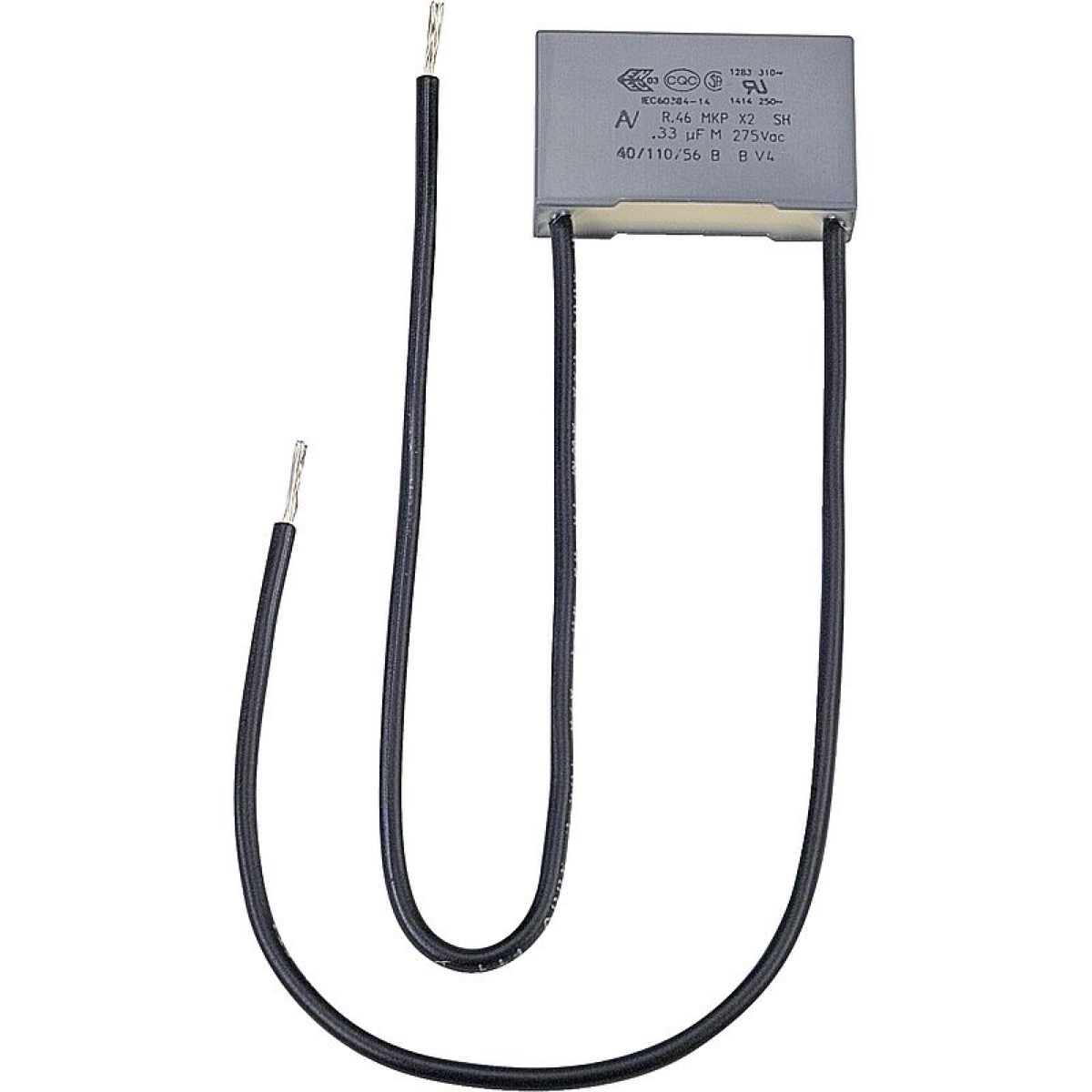
Alternatively, a snubber circuit can also be installed.
3rd possible source of error: Electronic switches or dimmers
If electronic switches (step relays, motion detectors, etc.) or dimmers are used to switch LED luminaires, it can happen that the installed electronic components (e.g. Triac) do not cleanly interrupt the current flow, since there is no 100% galvanic isolation here (e.g. wound transformer). Despite the switch being open, a small residual current flows, which can cause the LED lamps to light up or flash.
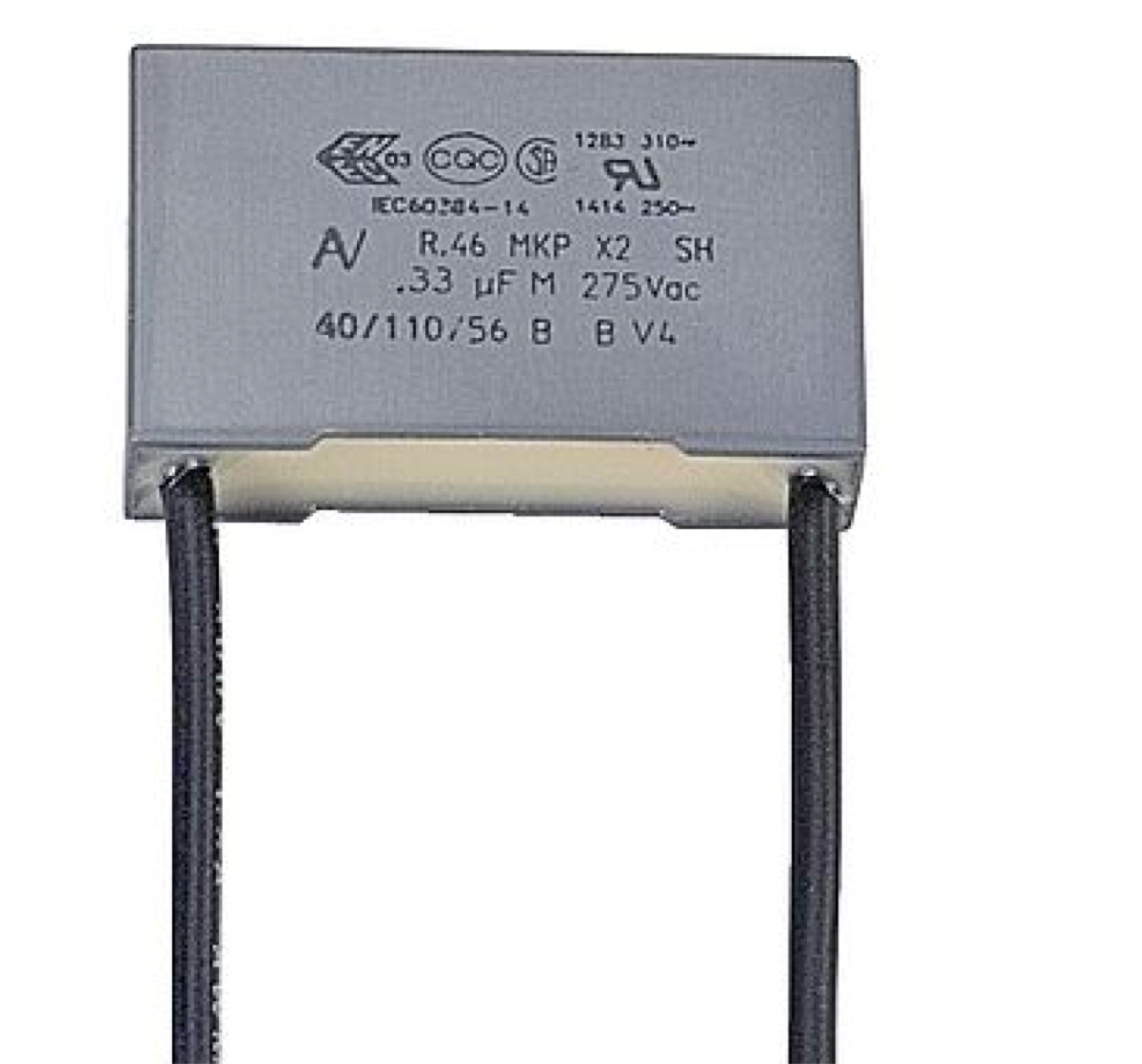
For all three causes, the use of a snubber circuit or RC element also provides a remedy.
You can find this snubber circuit in our shop at: https://www.leuchtenking.de/detail.asp?AID=78538
However, it may only be installed by a qualified electrician, as it is not possible to install an RC element without opening electrical devices (switches, fuse boxes, etc.). The installation regulations according to VDE, protection against contact with live parts, fire protection, etc. must be observed.
An RC element is installed directly in parallel with the luminaire and ensures the safe discharge of induced and residual voltages, which eliminates the glowing or LED flashing.
Snubber circuit - RC elementShare
Author